Why Parents Are Trading Screen Time for Sing-Along Time — And Watching Their Kids Grow Kinder
The songs behind a calmer home: 19 original tracks and 15 mentor characters that teach empathy, cooperation, and self-regulation while kids play, not stare.

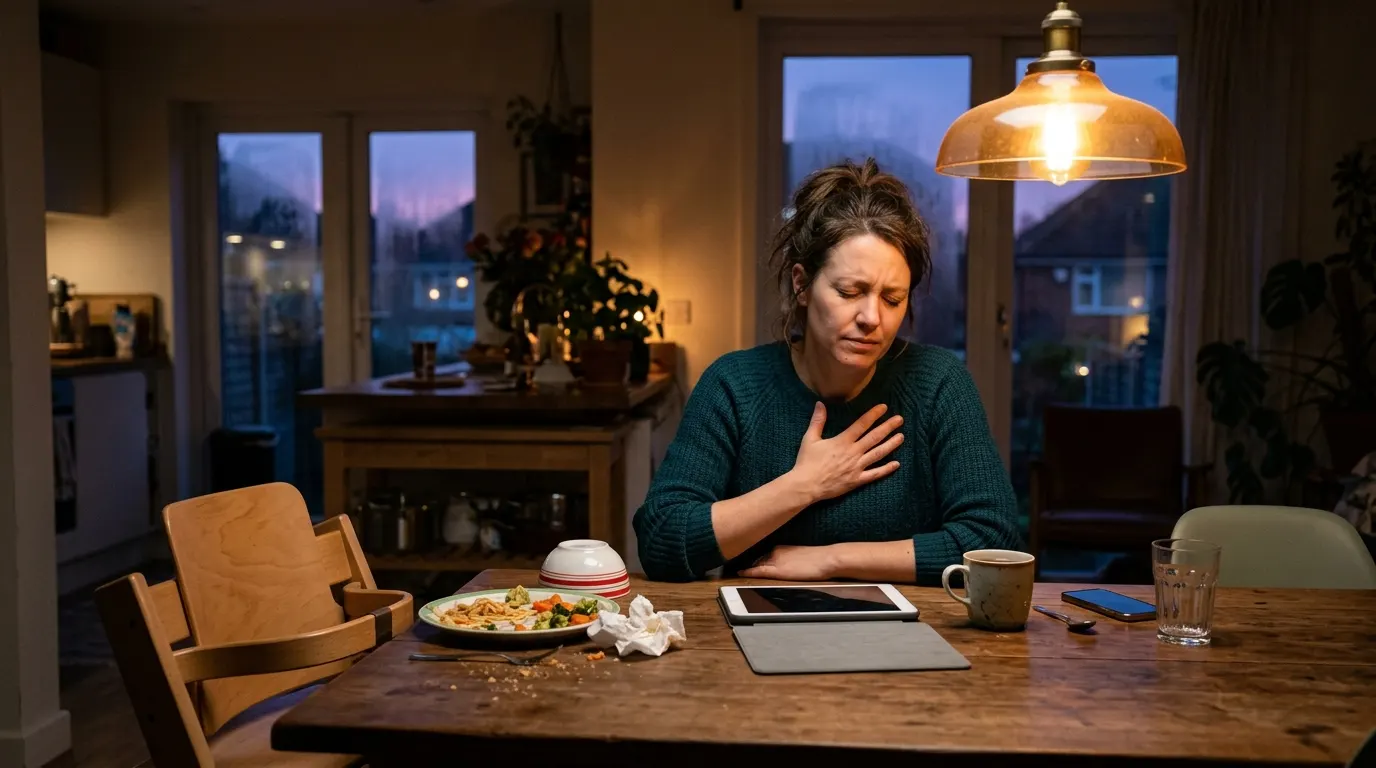
It's the small handoff a lot of parents know by heart. The tablet goes down for dinner after an hour of daily screen time, and the room tips over.
There are tears, a slammed chair, a fight over who sits where. A quiet thought lands in the chest: when did everything get so hard?
Lately, more parents are trying something that sounds almost too simple to replace stressful screen time. Instead of another show or screen time routine, they put on a calm acoustic song. And they sing it together.
Why does every small thing turn into a meltdown?
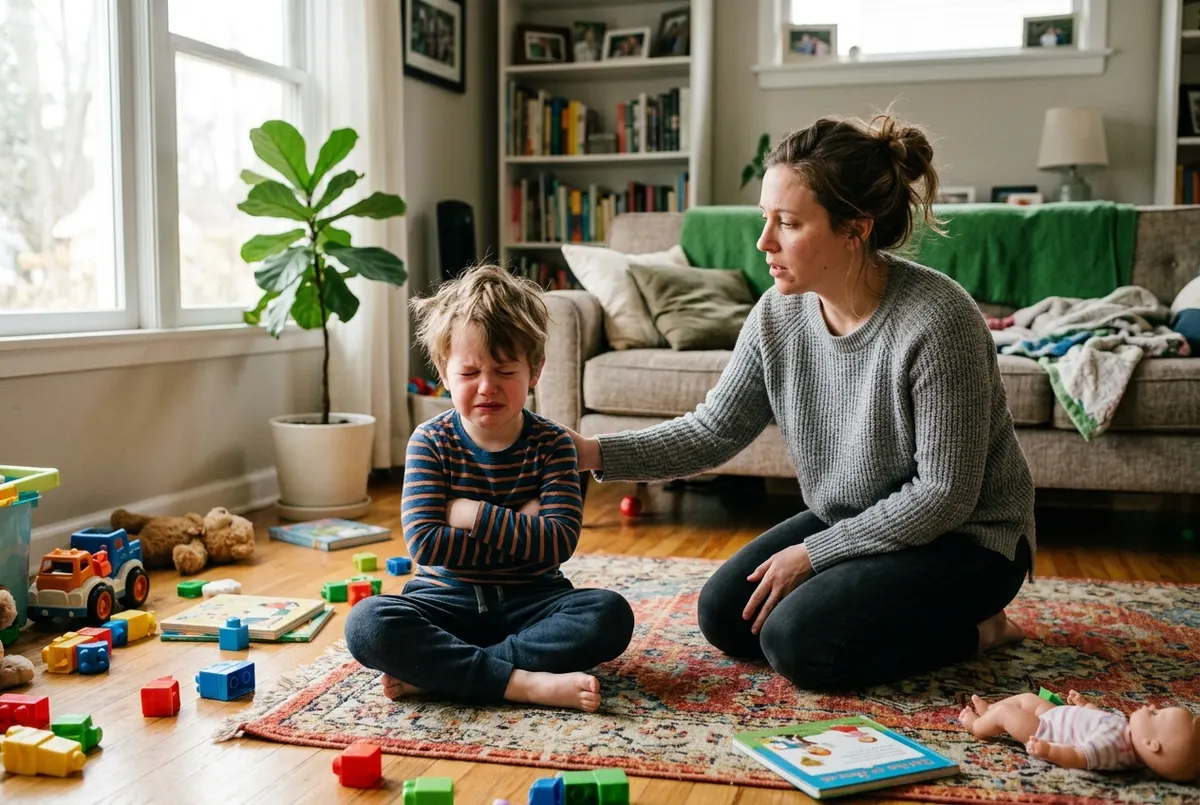
It isn't that your child is difficult or you're doing it wrong. But the fights over sharing, the tears when screen time ends, and the daily screen time battles — they wear on a whole house.
Tablet screens promise a break, and for twenty minutes of screen time they deliver one. Then the tablet clicks off, daily screen time ends, and everything the screen was holding down comes rushing back — louder. The calm from screen time was borrowed, not built.
Parents feel the exhausting trade-off of excessive screen time. Your child was busy, but not with you. There was quiet, but no closeness. Solitary screen time never taught the skills you want: taking turns, staying gentle, settling down.
What does singing together actually teach a child?
Learning apps miss the core piece during early childhood screen time. Kindness, patience, taking turns aren't facts you hand a child during screen time — they're learned in back-and-forth between two people.
Call this the closeness gap: the more solitary screen time a child logs alone at a device, the less real-world practice they get at being with someone.
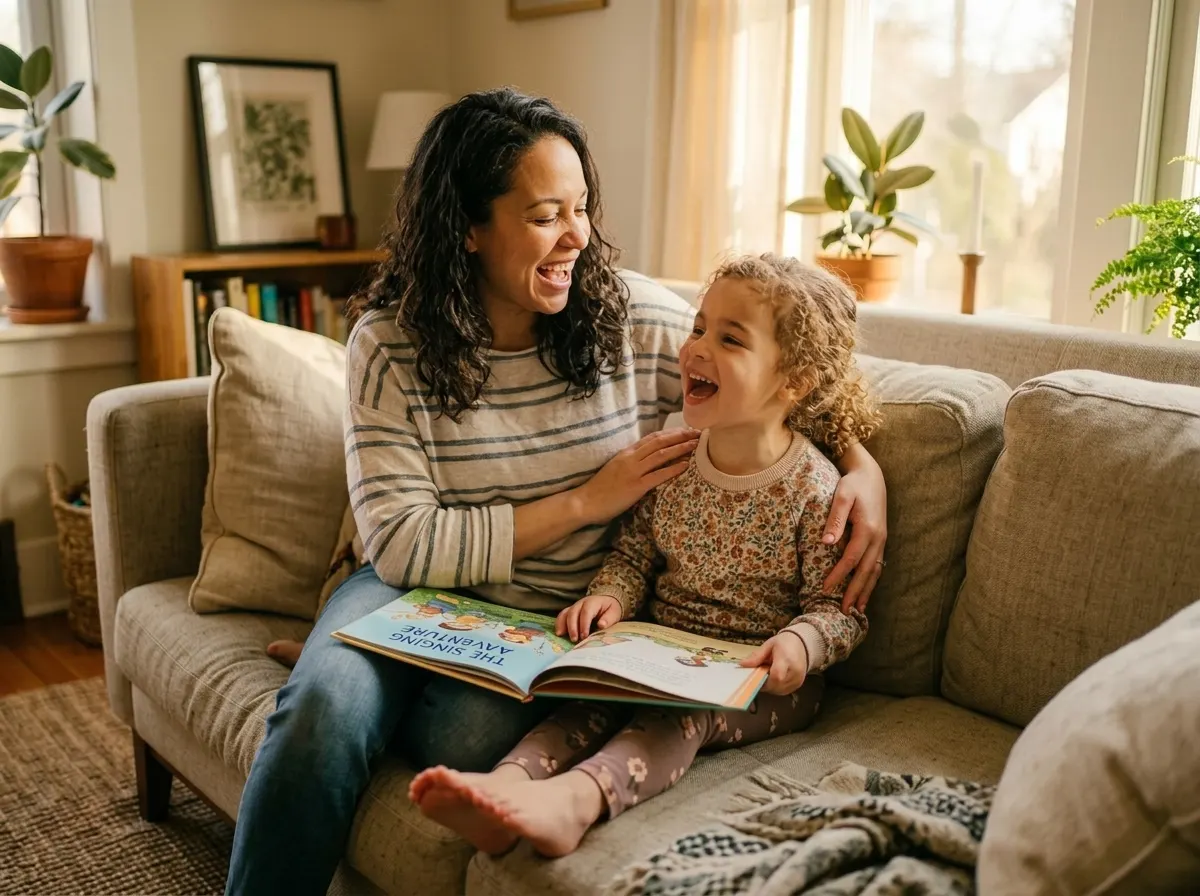
Music closes that gap. When you sing call-and-response, your child waits and answers — that's turn-taking. When you keep a beat together, two nervous systems fall into the same rhythm, and a wound-up little body learns what settling down feels like.
Scientists link shared music and movement to brain regions that help a child read, remember, and regulate emotions. While prolonged screen time keeps young nervous systems in fight-or-flight overstimulation, singing together is the practice of genuine connection. The closeness gap closes every time you replace screen time with a shared verse.
So, what are these families singing along to?
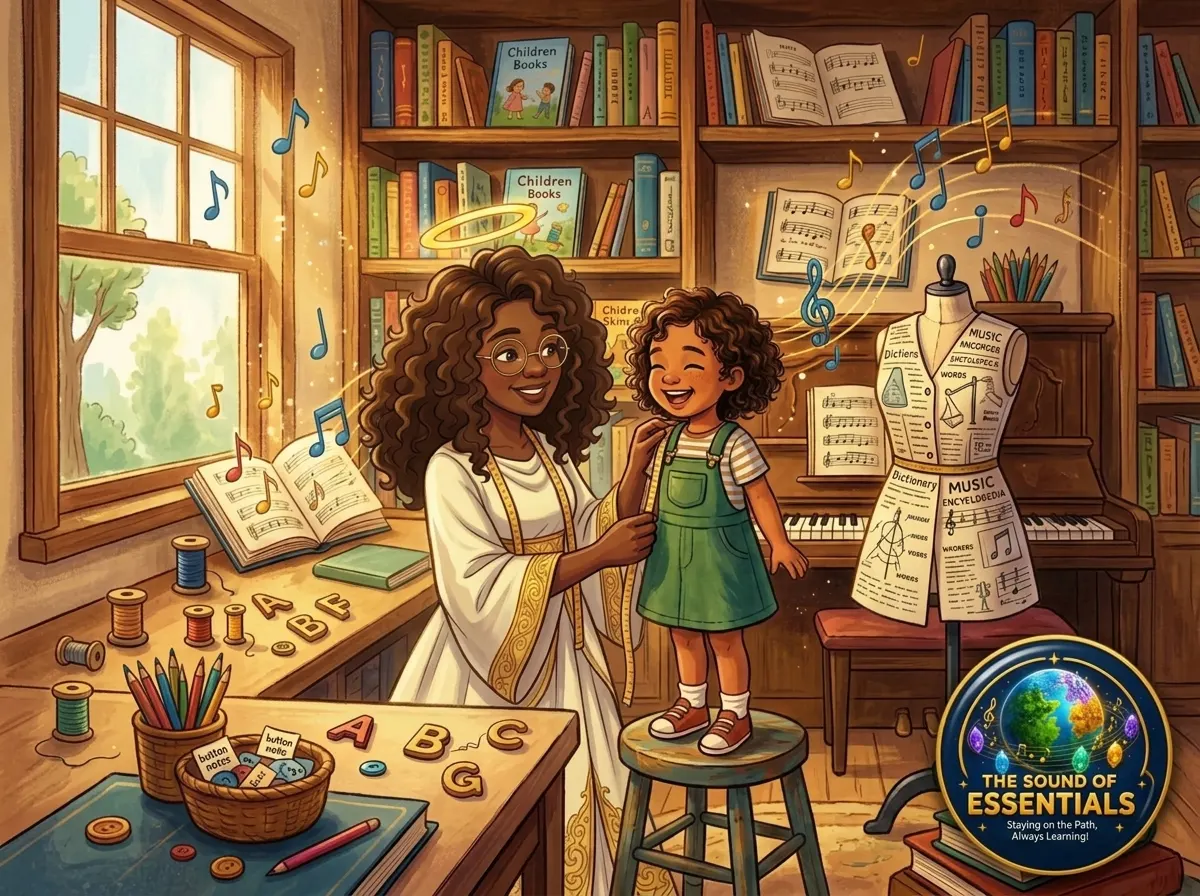
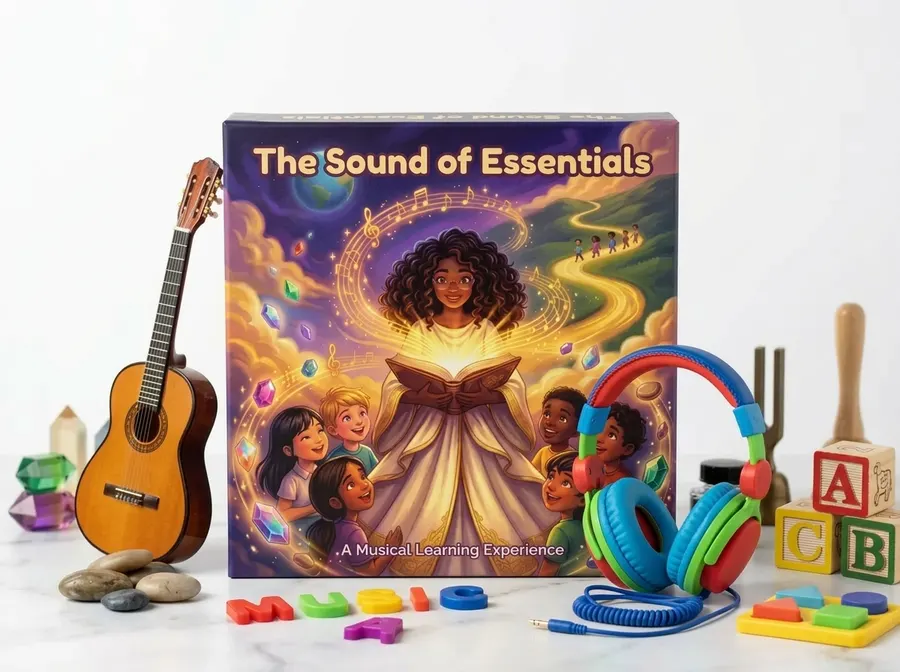
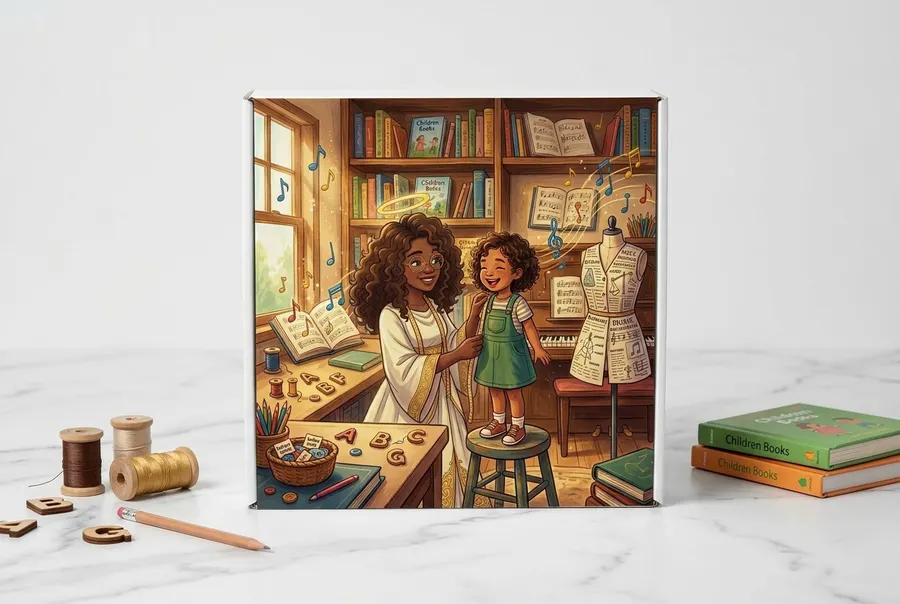
The Sound of Essentials powers Rhythm Quest — 19 original songs built by working musicians and a mother.
It is originally published music, recorded live in studio sessions with warm acoustic vocals, made to be sung with a child, not played at one.
That answers the closeness gap head-on. No autoplay, no flashing loops, no passive screen time traps, and zero data collected on your kid.
Just 19 original songs and 15 mentor characters, each with a rhythm and a lesson — sharing, patience, self-soothing — woven into a story your child follows across seven lands.
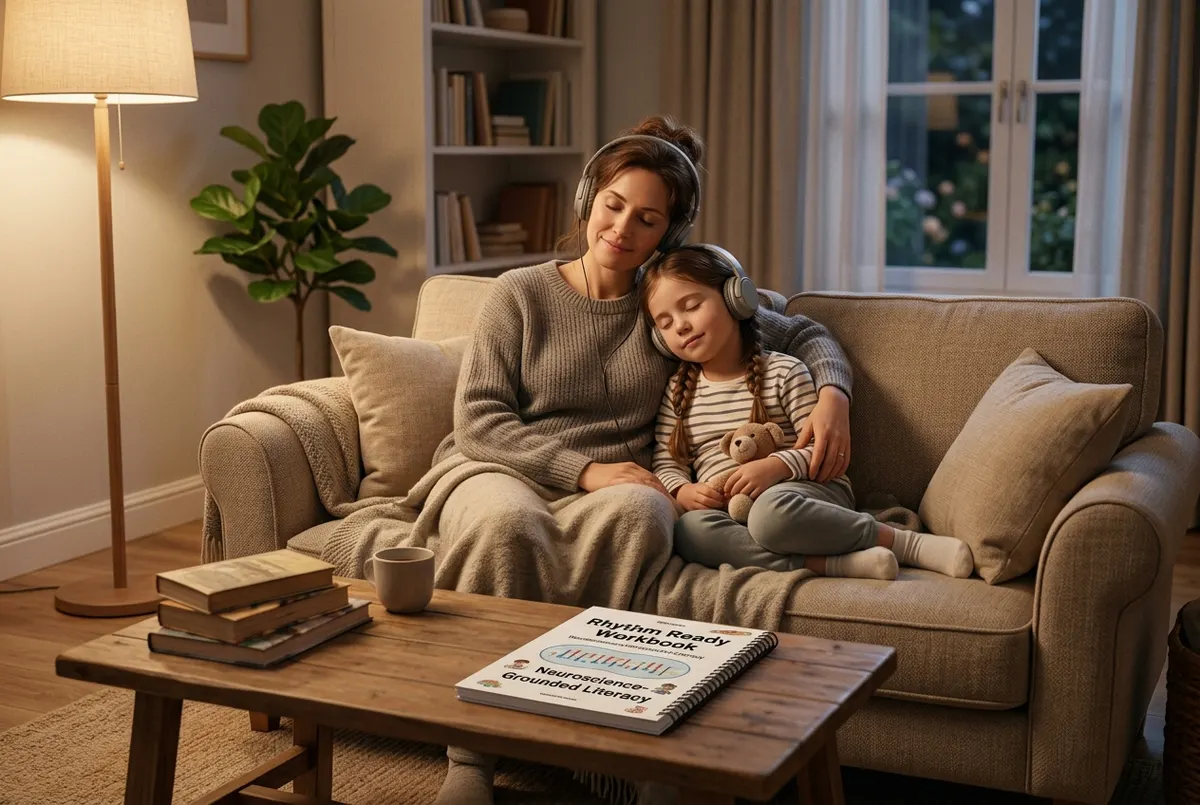
A parent notices the tempo first. Unlike hyper-stimulating screen time media, it's calm, with pauses built in — room to breathe, room to answer. The couch becomes what it hadn't been during solitary screen time: a place you and your child do something together.
It's 100% ad-free and screen-free — a founder's promise, not a hook to upsell you later. The point: trading screen time fatigue to give you both a reason to look at each other.
What grows when a child sings instead of scrolls?
The change parents notice first isn't academic — it's the peaceful temperature of the house. Here's what shifts in your home when shared songs replace chaotic screen time routines.
What makes it actually work?
Every piece was chosen to be shared out loud between a parent and a child, not consumed alone during solitary screen time. These are the acoustic parts that make the singing land.
Why families are making the switch
 1
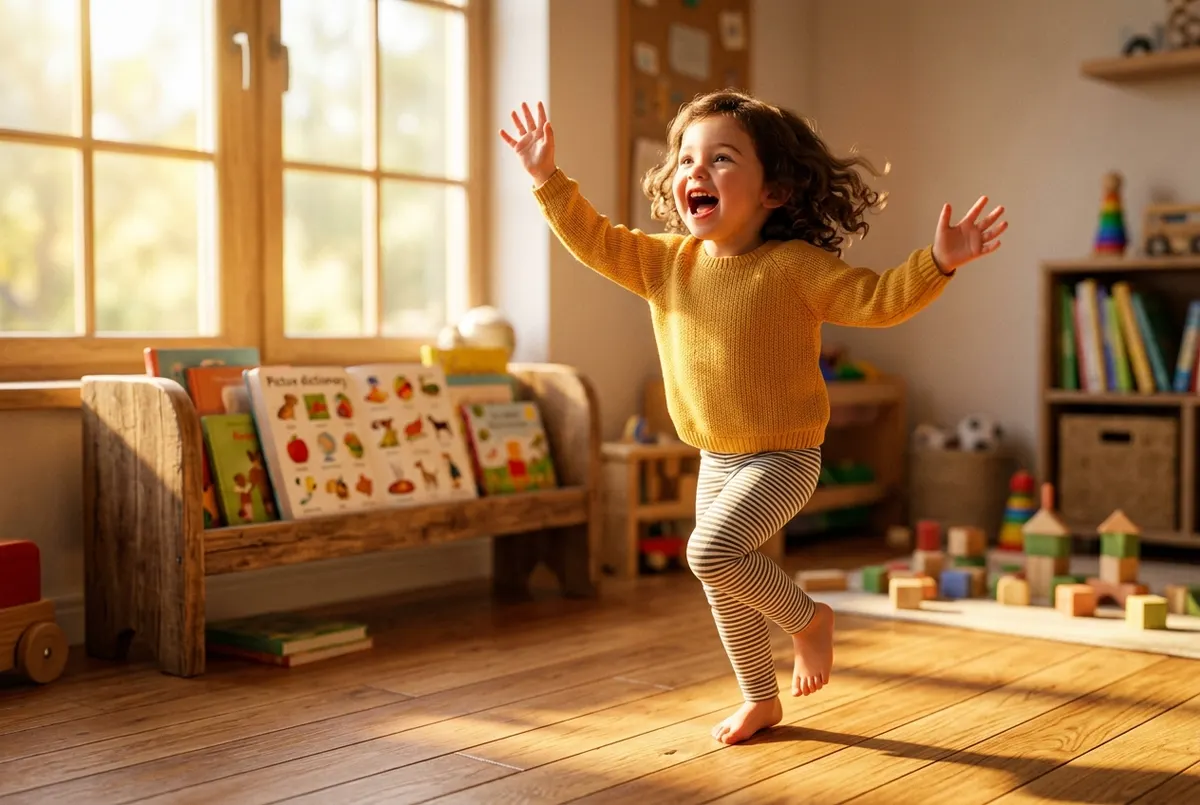
Active singing rewires literacy pathways faster than passive screen time
The brain's auditory cortex and motor centers light up simultaneously when a child sings and moves—a neurological pairing that passive screen time cannot replicate. Sound-before-symbol pedagogy leverages this critical window: in the first 1,000 days of auditory development, children form over 1 million neural connections per second. By anchoring literacy in melody, rhythm, and full-body participation before introducing written symbols, this approach builds durable phonemic awareness and decoding skills at the foundation level where they stick.
 2
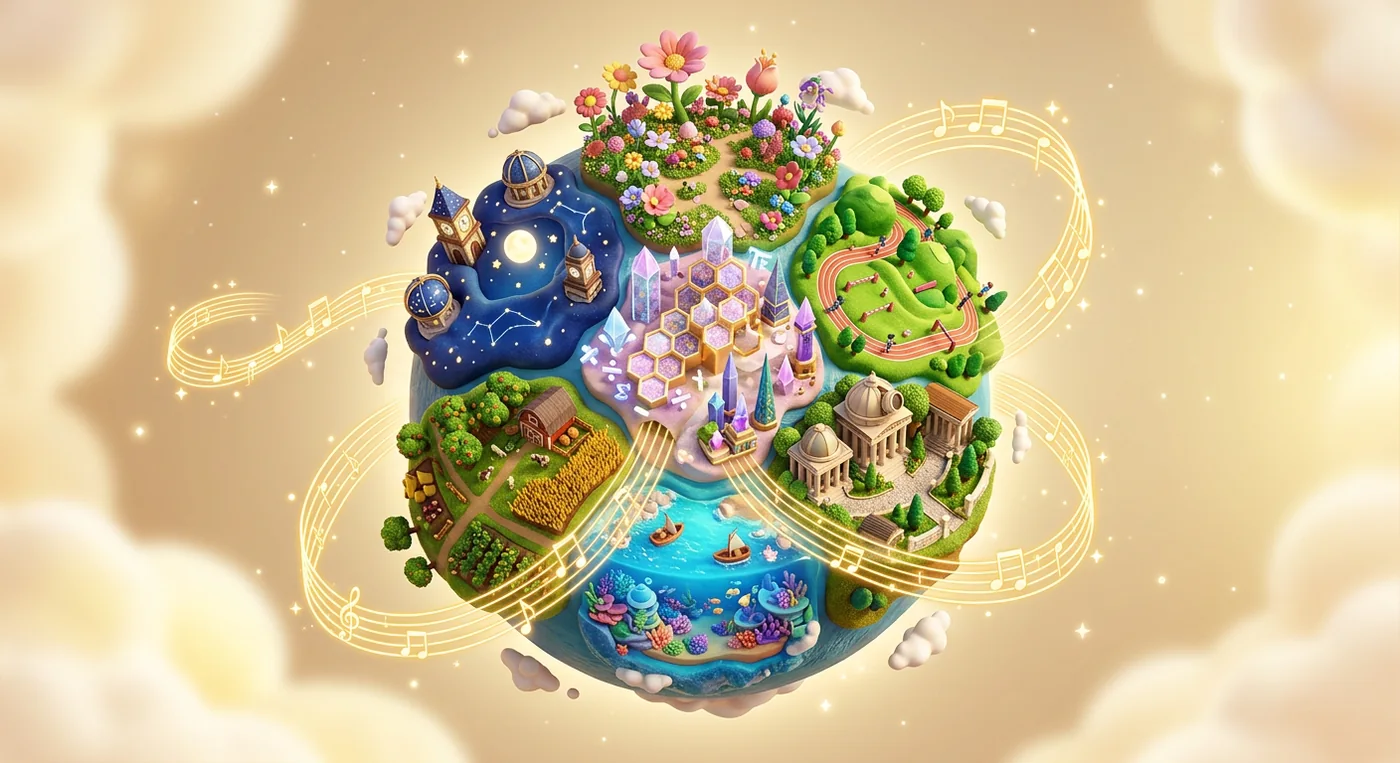
Narrative world and 15 mentor characters turn learning into belonging
Instead of disconnected mini-games and addictive screen time loops designed to trigger dopamine spikes, the Rhythm Quest Ecosystem unfolds as a cohesive story across 7 lands (Harmonia, Numeria, Vitalis, Celestia, Luminosity, Aquaria, Terrasol) with 15 distinct mentor characters, each with their own rhythm and teaching style. Children follow a narrative arc where they matter—solving real problems, building relationships, and progressing through a world that values craft and mastery. This structure replaces exhausting screen time battles with a sense of purpose and belonging that sustains effort over time without manipulation.
 3
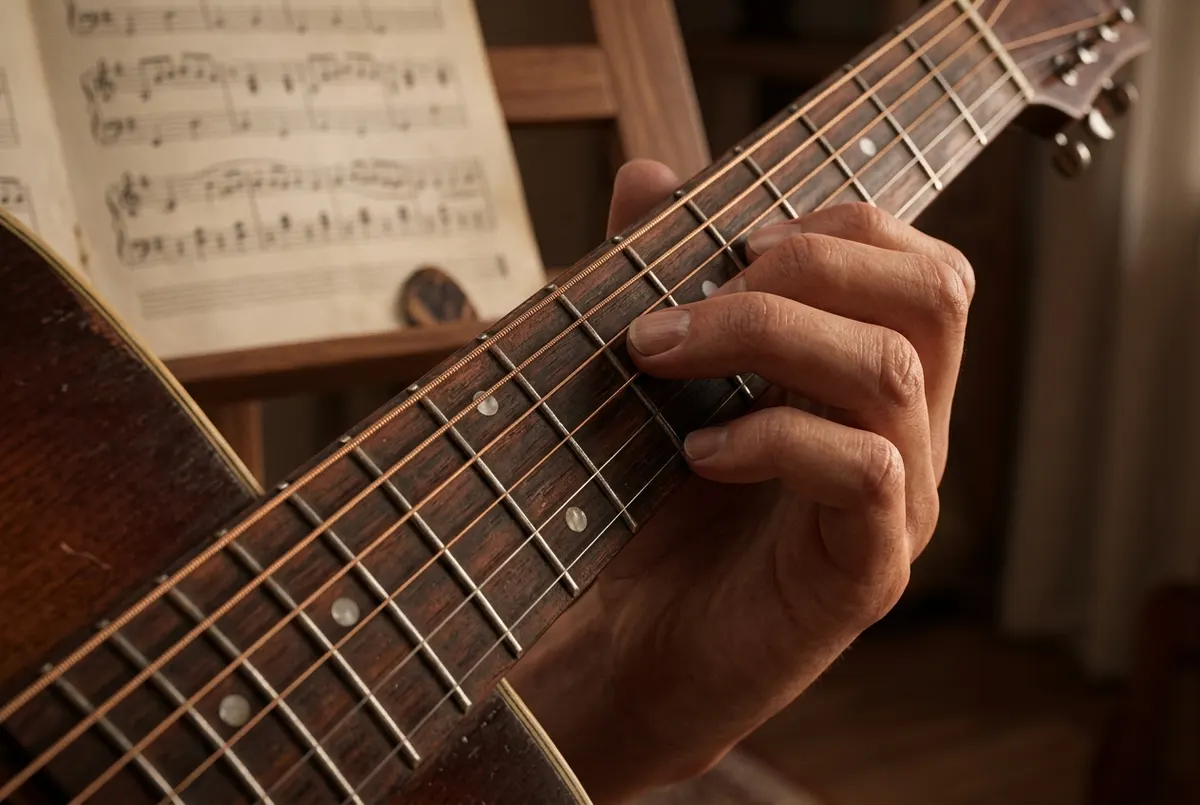
19 original songs composed by seasoned musicians, not algorithm farms
Every track on the Deluxe Album is originally published music, recorded live in studio sessions with warm acoustic vocals—not auto-generated, not licensed stock loops, and not optimized for screen time engagement metrics. The foundational craft matters: when children learn from authentic music made with intention, they internalize that learning itself is a human act, a gift, not a product to be mined. This signals to young learners that joy and mastery are inseparable from care and artistry.
 4
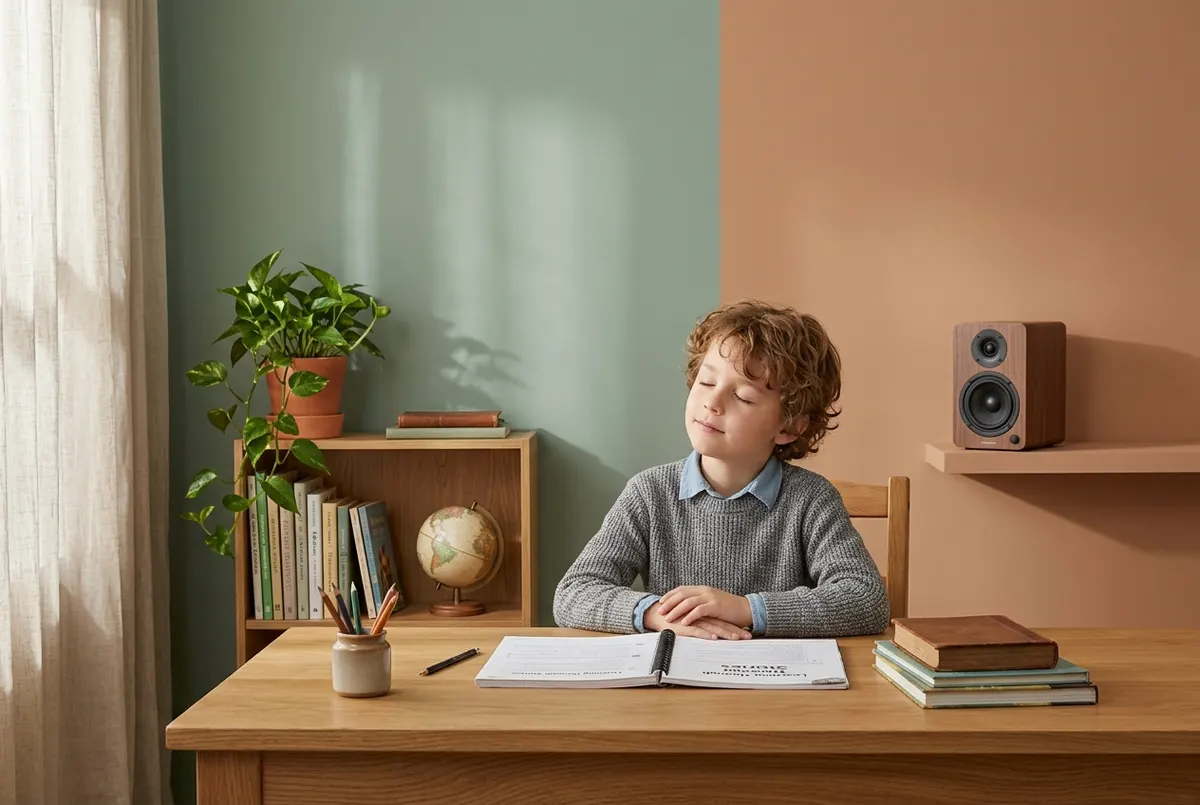
Calm tempo and conscious pauses protect the nervous system from screen time dysregulation
Most ed-tech and commercial screen time is engineered to overstimulate—flashing visuals, rapid-fire notifications, autoplay loops that prime young brains for dopamine dependence. Rhythm Quest is the calm antidote to screen time overstimulation: composed at neuro-affirming tempos with intentional pauses that let children process, breathe, and self-regulate. This sanctuary approach to learning supports whole-child development without triggering fight-or-flight responses, allowing focus and joy to coexist in the same learning session.
 5
Zero data tracking, no screen time algorithms, 100% ad-free by design
The entire ecosystem is built without algorithms optimizing for engagement, without data harvesting, without autoplay or notification loops. This isn't a freemium model locking families into paid upgrades—the Deluxe Album arrives free as founder promise. When a parent replaces solitary screen time with Rhythm Quest, they are choosing an environment where their child's attention, data, and nervous system are protected by design, not monetized as a resource to be extracted.
What do the first 30 days look like?
Closeness doesn't return all at once after months of heavy screen time. The early weeks each bring a small shift worth watching for—a moment held a little longer, less screen time frustration, and a song your child asks for twice.
How does it stack up?
Passive screen time and a shared song both fill the same twenty minutes. What they leave behind — in your child's body and in the room — could not be more different.
- Dopamine-loop progression systems
- Disconnected mini-games, no narrative
- Algorithmic autoplay traps
- Overstimulating visuals, rapid tempo
- Passive screen time and dopamine loops
- Data tracking, ad monetization
- Joyful narrative world, 15 mentors
- Cohesive 7-land story ecosystem
- Zero algorithmic traps, parent control
- Calm tempo, conscious pauses
- Active rhythm, whole-body movement
- 100% ad-free, zero tracking
Get Started Today
The questions parents ask first
Most parents come in with the same three worries: will songs really build reading, is this the whole curriculum, and who's behind it? Here are straight answers.
Bring the singing home