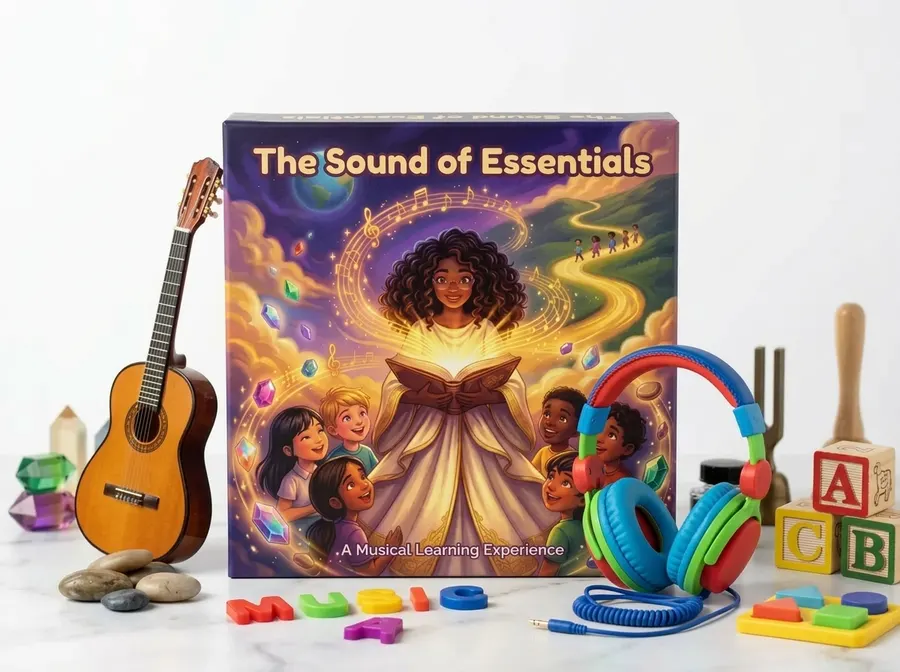
More Moms Are Pulling Their Kids Off the Apps for a Quieter Way to Learn to Read — and It Starts with Sound, Not Screens
Leaving behind the frenetic noise of autoplay loops, our quest enters a neuro-affirming sanctuary—anchoring early childhood literacy and math to calm, acoustic rhythms during the brain's golden window, completely free from ads, algorithms, and dopamine traps.

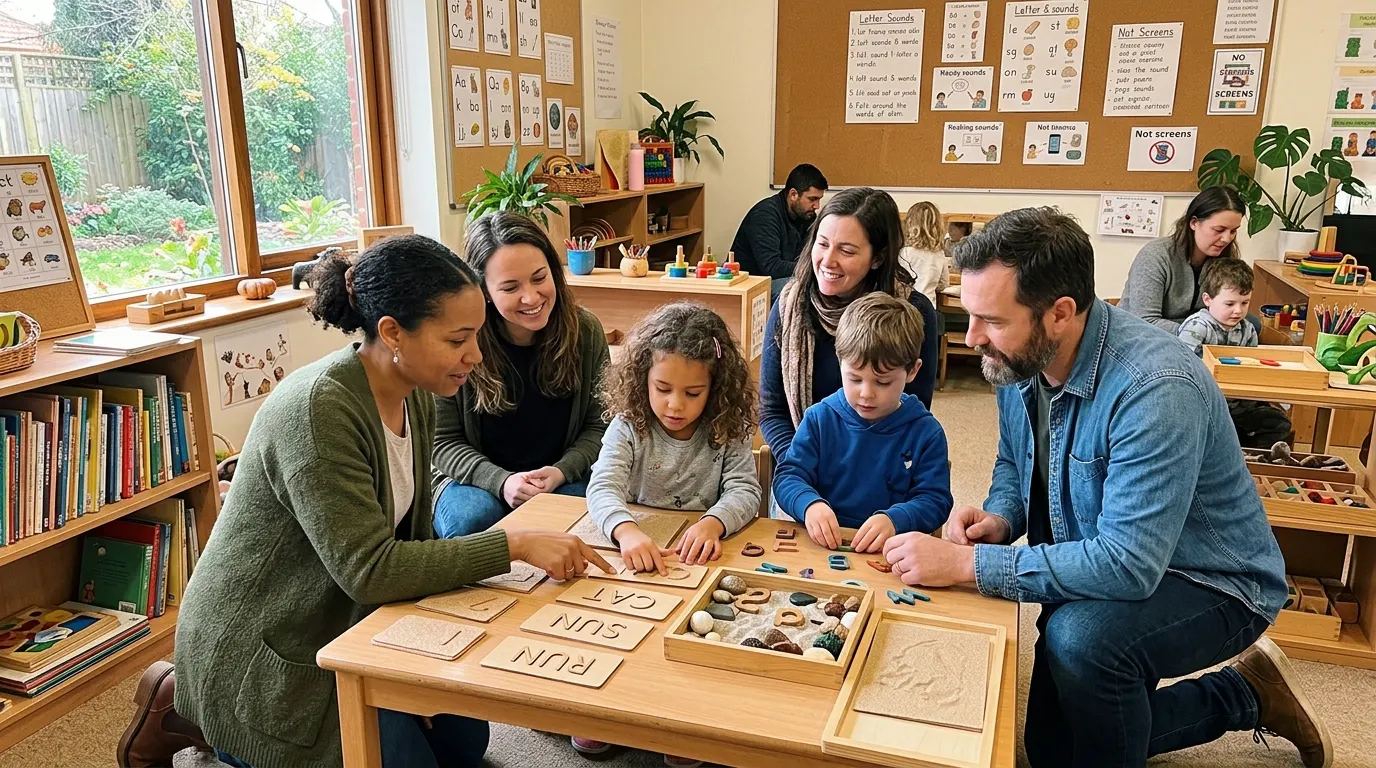
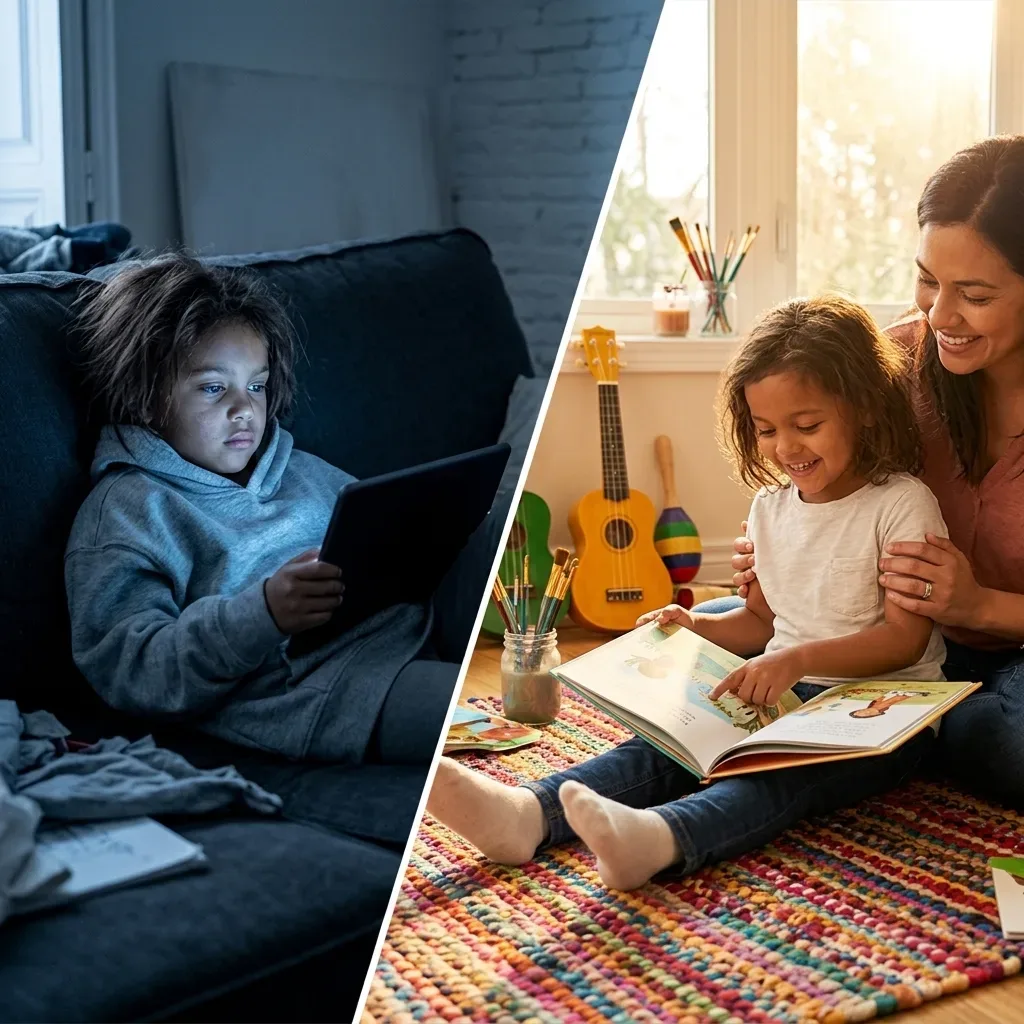
You handed over the tablet so she could learn her letters. Ten minutes in, you glance over — and she's not learning anything. She's slack-jawed, thumbs twitching, eyes locked on a screen that flashes and chimes and never once pauses.
You know that face. Every mom does. That's the face that says the app has her now, and getting it back will mean a meltdown.
Why does the calm never seem to last?
You set limits. Twenty minutes, then off.
But the twenty minutes end in tears, and the rest of the afternoon feels rattled — like something wound her up and left her nowhere to put it.
Here's the part that stings. The app promised learning. Bright colors, cheerful voices, a little trophy every few taps. It looks like your child is learning.
But watch closely and you'll notice she isn't building anything. She's chasing the next flash of reward. And when it's gone, she's not calmer or sharper — she's fried, and so are you.
So, what are the bright apps actually training?
The reason isn't that your kid lacks focus. It's how the apps are built.
Most learning apps run on the same loop as a slot machine: a flash, a chime, a tiny reward — over and over, fast enough that the young brain never rests.
Scientists have a plain name for what that trains: the dopamine loop. It teaches her brain to crave the next hit, not to hold an idea.
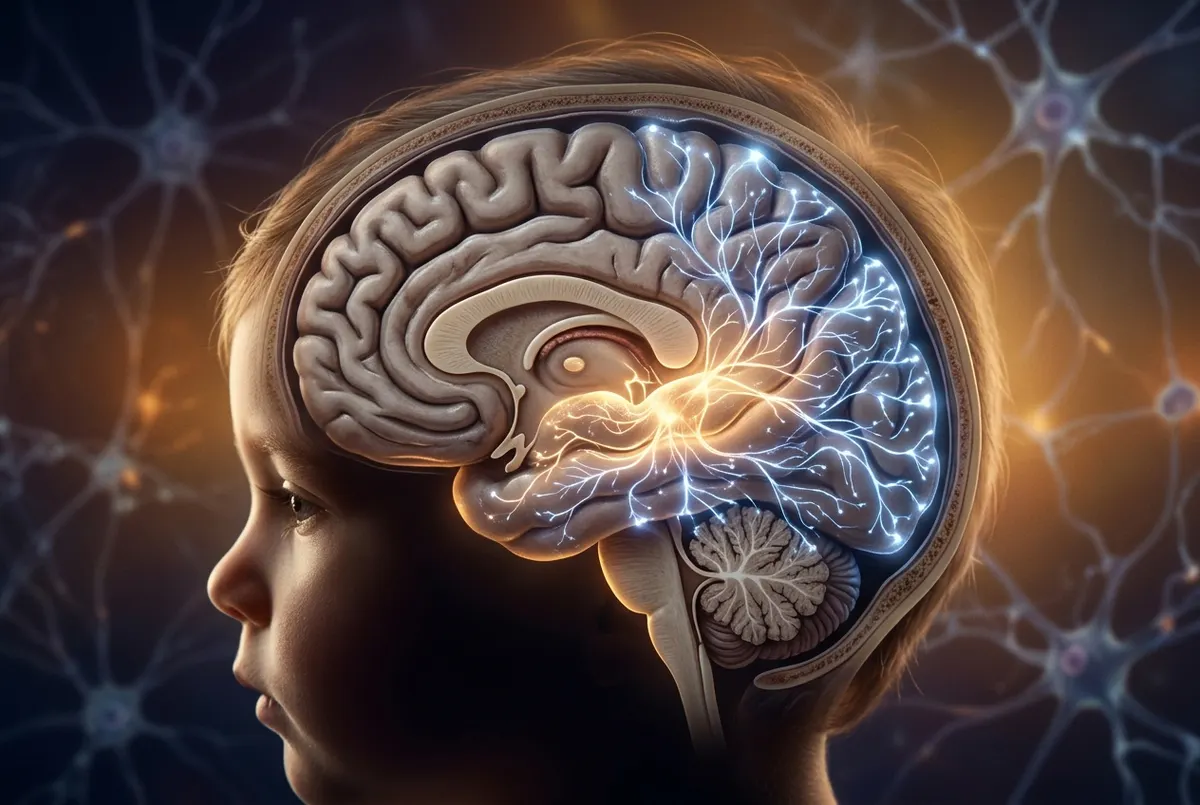
And it lands at the worst possible time. In a child's first years, the brain forms new neural connections — links between brain cells — faster than at any point in life. What you feed it now, it wires in. Fast, flashing rewards wire in one thing: the itch for more stimulation.
The fix isn't more screen time or a better app. It's stepping out of the loop entirely — and starting where reading actually begins. Sound, not screens.
What does a quieter way to learn look like?
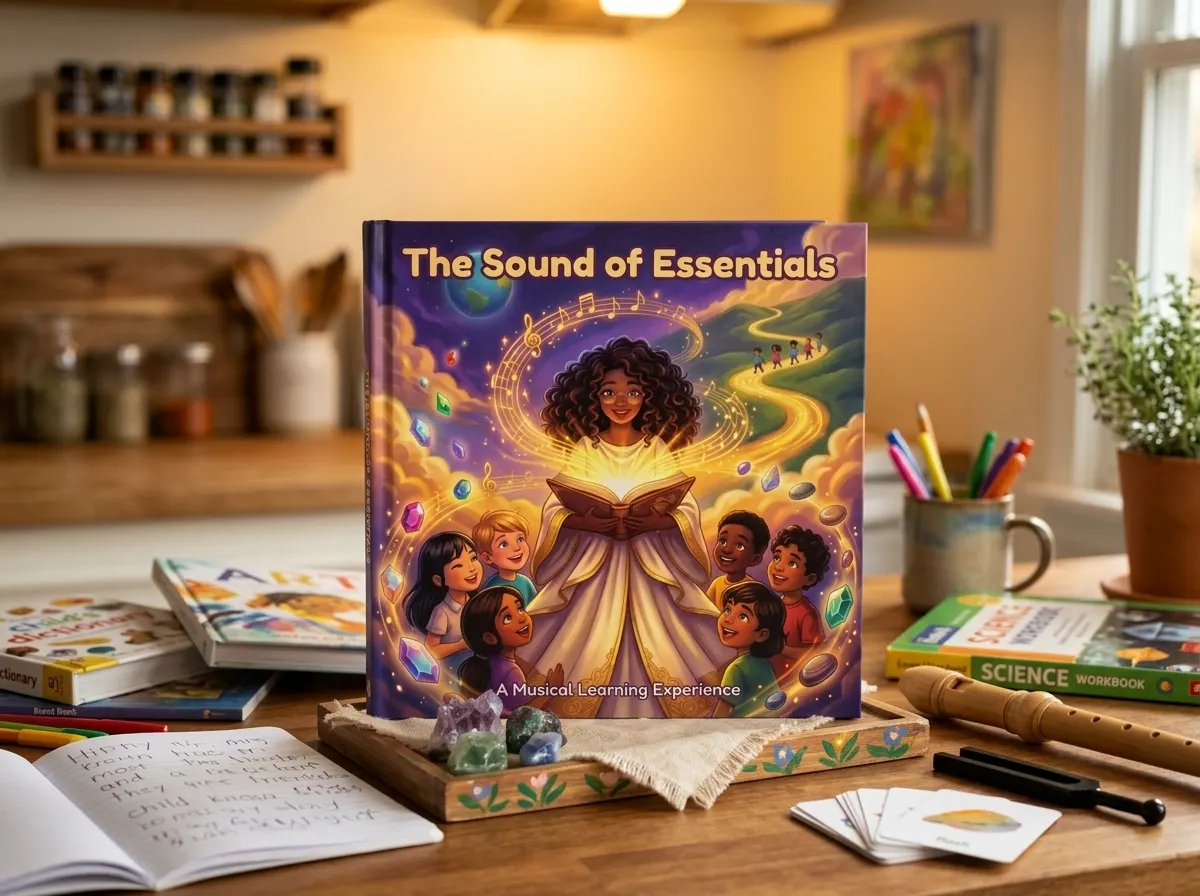
The shift: trading the app for the Sound of Essentials Ecosystem.
More moms are making it — moving toward something that begins with the ear, built on how reading truly starts: hearing sounds before ever seeing letters.
Instead of a screen chasing her attention, there are songs. Nineteen of them. Originally published music recorded live in studio sessions with authentic voices — no auto play, no ads, no tracking, and nothing designed to keep her hooked. These are calm, whole stories designed for your child to move and sing along to.
That's the answer to the dopamine loop. Where the apps kept her craving the next flash, this keeps her steady — clapping, singing, building the sound patterns that reading is actually made of.
A child hearing it for the first time doesn't zone out. Instead, she leans in. And when the song ends, she isn't fried — she's calm, and she's learned something that lasts.
What does it protect your child from?
Part of the appeal isn't what it adds — it's what it deliberately leaves out. For a mom worried about what the apps are quietly doing, the missing pieces matter as much as the songs.
What are you getting?
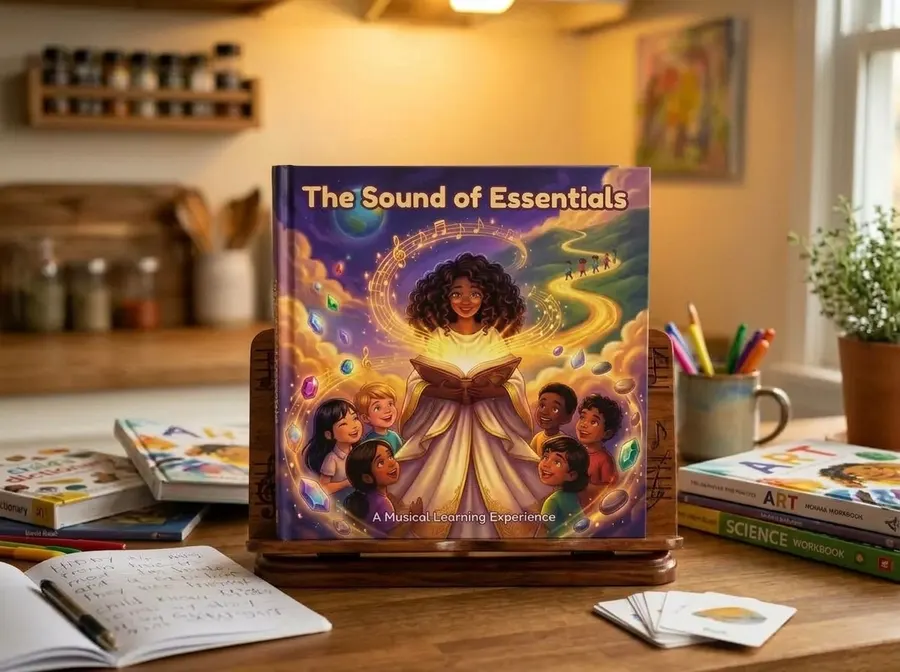
This isn't a single app or a stack of mini-games. It's a whole world built to hold a child's attention without hijacking it — songs, lands, characters, and tactile workbooks that fit together.
Why are so many moms making the switch?
 1
Sound-before-symbol wiring during the brain's auditory critical window
The first 1,000 days of childhood mark the brain's most plastic phase for auditory learning — a window when children form over 1 million neural connections every second. The Sound of Essentials leads with ear-first learning, anchoring literacy in melody and rhythm before introducing written symbols. This neurologically-timed sequencing builds durable pathways that visual-first screen learning cannot match, grounding reading fluency in sound patterns children have already internalized.
 2
Calm, intentional pacing protects the developing nervous system from overstimulation
Most ed-tech thrives on urgency — flashing visuals, autoplay loops, and variable rewards designed to capture and hold attention. The Sound of Essentials operates at a neuro-affirming tempo with conscious pauses, silence, and space for processing. This sanctuary-paced rhythm prevents the dopamine dysregulation that leaves children overstimulated and dysregulated, instead allowing the nervous system to settle into focused, joyful learning.
 3
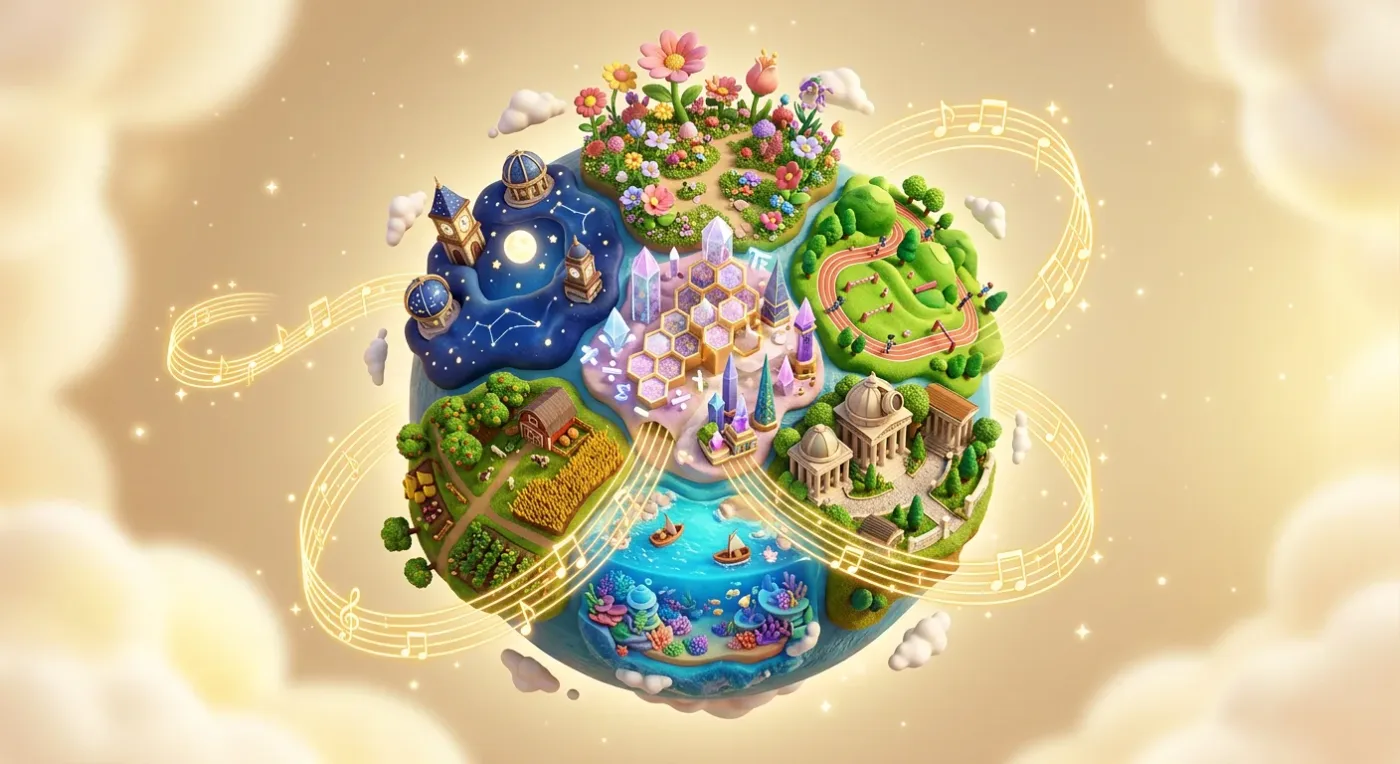
19 original songs and 7 cohesive lands replace algorithmic mini-games with narrative-driven learning
Disconnected games train children to jump between unrelated tasks, fragmenting attention and pattern recognition. The Sound of Essentials offers 19 scratch-made songs woven through 7 interconnected learning lands and 15 mentor characters, each with distinct rhythm and teaching style. This narrative scaffolding lets children build cumulative understanding and return to beloved characters, turning learning into sustained story-driven exploration rather than content-dispensing treadmill.
 4
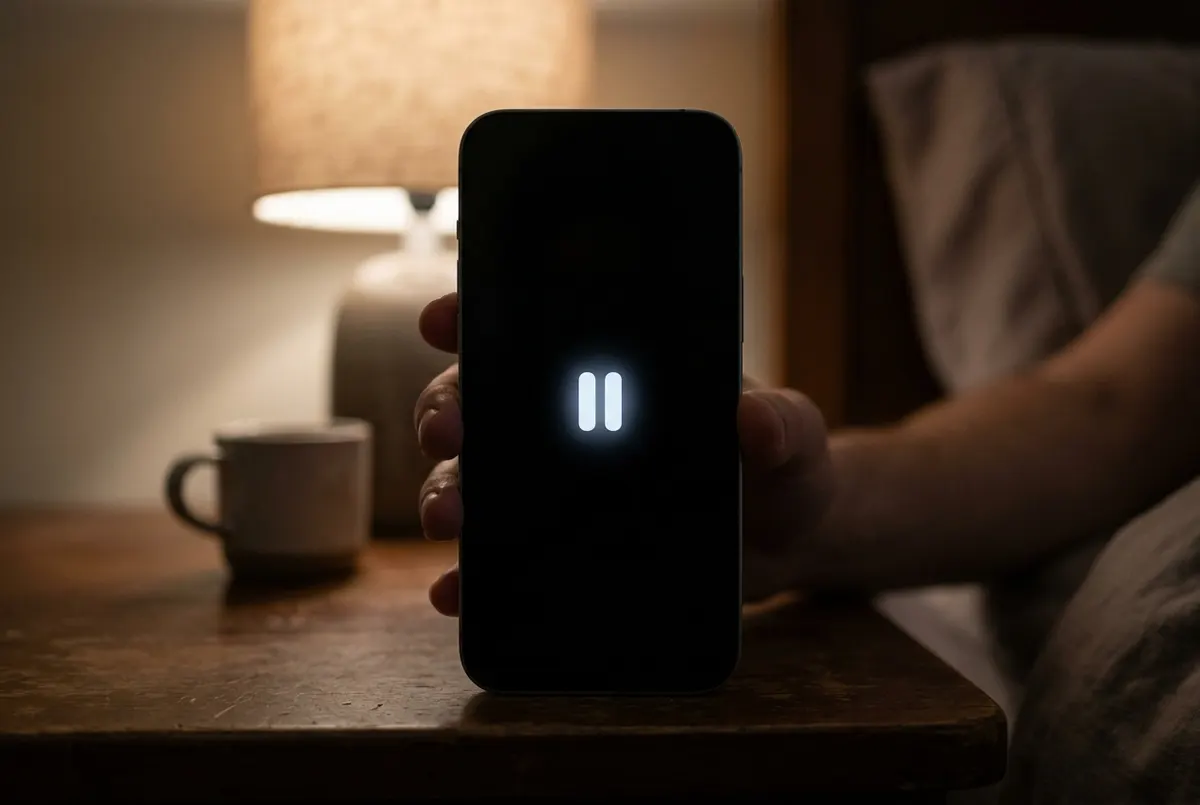
Zero algorithms, zero data harvesting, zero dopamine design traps
The literacy crisis has been turbocharged by ed-tech designed to addict, not educate — platforms that track every click, optimize for engagement metrics, and engineer variable-reward loops. The Sound of Essentials carries no tracking, no algorithmic recommendations, no dopamine farming. This zero-surveillance, no-algorithm stance is not a marketing angle; it is a structural commitment to protecting childhood from the attention-extraction economy.
 5
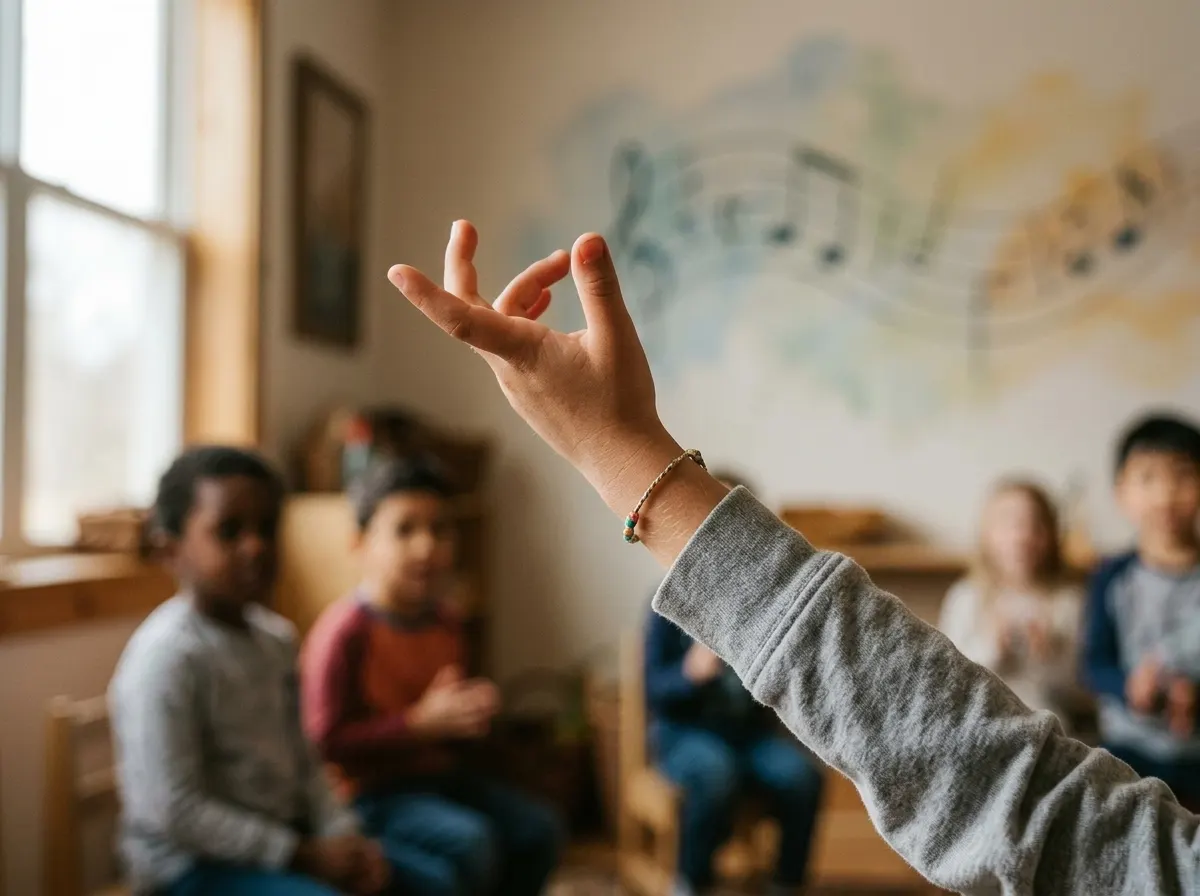
Singing and whole-body rhythm anchor literacy in joyful, active learning, not passive screen consumption
Passive screen time does not build reading proficiency — it builds screen dependence. Active singing and rhythm engage multiple neural systems simultaneously: auditory processing, motor coordination, memory encoding, and social-emotional connection. The Rhythm Quest ecosystem asks children to sing, move, and participate, transforming literacy from something that happens to them into something they create and embody.
How does it work over time?
This isn't a burst of fake progress that fades by dinner. It's a slow, steady build — and knowing what the first weeks tend to look like helps you spot it happening.
How does it actually compare?
Both promise to teach your child to read. Only one is built around how the young brain actually learns — and around what it does to her nervous system while she's learning.
- Autoplay loops hijack attention
- Flashing visuals overstimulate developing brains
- Passive screen time, zero movement
- Data tracking monetizes your child
- Dopamine farming replaces genuine joy
- Visual-first bypasses auditory wiring window
- Zero algorithmic traps, manual control
- Calm tempo with conscious pauses
- Active rhythm and whole-body singing
- 100% ad-free, zero data tracking
- Neuro-affirming sanctuary learning
- Sound-before-symbol wires durable pathways
Get Started Today
The questions moms ask first
Before switching from apps, most parents have the same questions: Can audio alone build reading skills? Is this a full curriculum or a starting point? Who's behind it and why should I trust them?
Start the free deluxe album today